In 2025, seismic surveys are still one of the main tools for exploring what lies beneath the surface of our oceans and land. They support not only oil and gas projects , but also carbon capture, geothermal energy, and major infrastructure developments. Technology is evolving quickly, but success depends on more than the sensors collecting the data. It also relies on smooth operations at sea. That is where Glander International Bunkering comes in, keeping survey vessels moving with the right fuel at the right time.
How Seismic Surveys Work Today
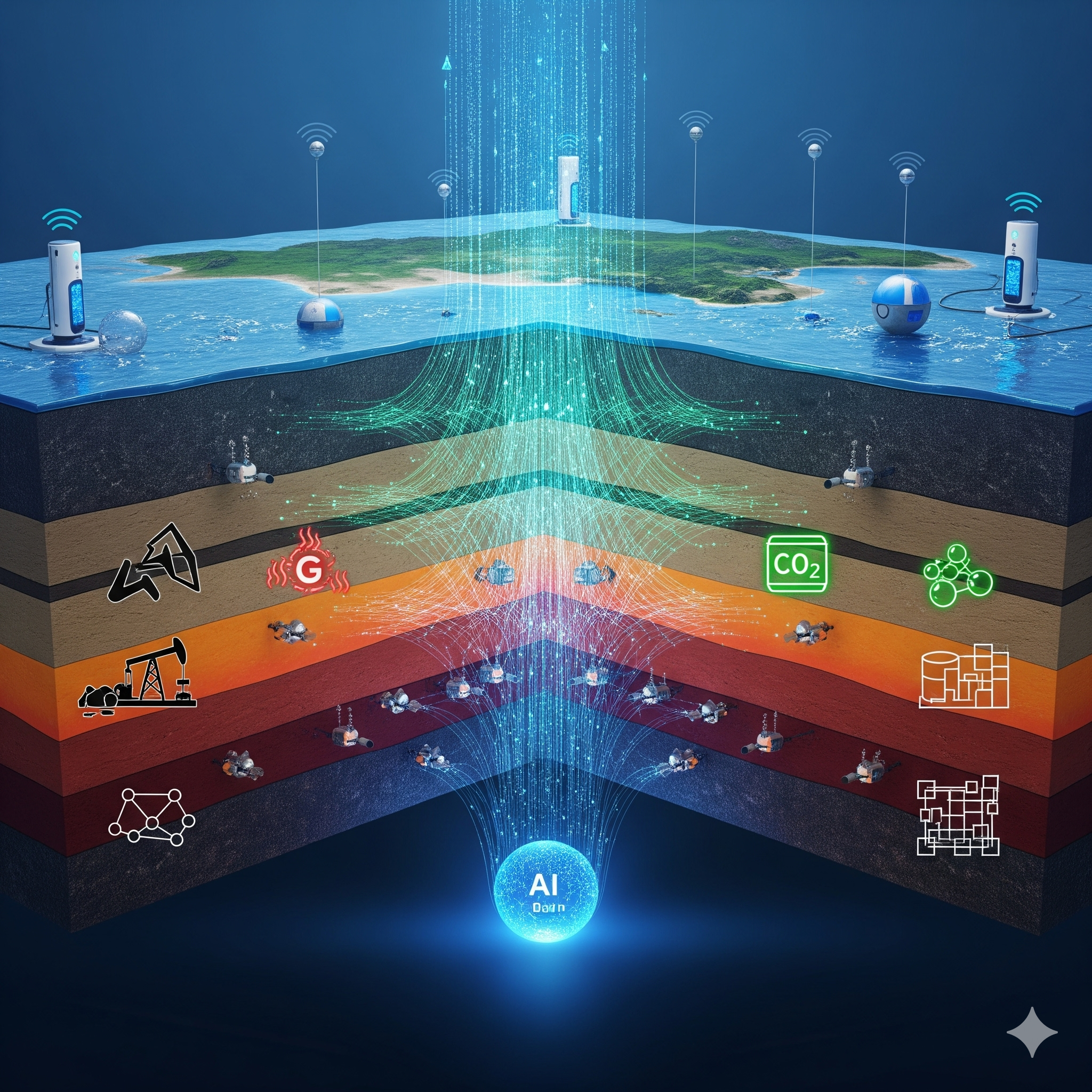
Survey teams now use two main methods. Towed streamers, long cables pulled behind ships to cover wide areas quickly. Ocean bottom nodes (OBN), on the other hand, are sensors placed on the seabed that capture very detailed information in complex areas. By combining these approaches, teams can balance speed, accuracy, and environmental care, giving them the best possible view underground.
Why Seismic Still Matters
Even in a world moving toward cleaner energy, seismic surveys remain essential. They help in several ways:
• Energy development: Mapping the subsurface for oil, gas, geothermal energy, and offshore wind projects.
• Carbon capture: Identifying safe sites for storing carbon, tracking where it goes underground, and verifying long – term containment.
• Infrastructure safety: Guiding the design of buildings, bridges, and other projects in areas that may face earthquakes or unstable ground.
• Sustainable exploration: Gathering high-quality data with new techniques that reduce environmental impact.
New Trends in the Industry
• Artificial intelligence accelerates data analysis, delivering faster insights.
• Innovative tools and methods reduce offshore survey emissions and disruption.
• Fiber optic cables serve as cost-effective sensors for long-term monitoring.
• Seismic now supports the full lifecycle of projects, from exploration to long-term monitoring of reservoirs, storage sites, and infrastructure.
The Role of Fuel and Logistics
Behind every survey vessel at sea is a network making sure it can keep working without delay. Glander International Bunkering supplies the right fuel, ensures deliveries arrive on time, and keeps everything compliant with both international standards and local regulations. By managing everything from sourcing the correct grades to navigating regional requirements and coordinating delivery, Glander International Bunkering allows survey operators to focus fully on collecting accurate data instead of worrying about vessel logistics.
Looking Ahead
The future of seismic is about smarter and more connected technologies. Surveys increasingly combine with data from satellites, gravity sensors, and autonomous drones. These advances promise safer, more environmentally responsible results. Reliable partners like Glander International Bunkering provide the certainty needed for companies to push forward with innovation at sea.
Final Word
With strong operational backing from partners like Glander International Bunkering, survey operators can run ambitious projects with confidence, transforming raw data into knowledge that drives a sustainable future.
Share Now