Market Forces Continue to Shift Global Bunker Demand
Global bunker demand keeps fluctuating as market dynamics and regulatory pressures evolve. A wide range of stakeholders- emissions regulators, fuel-efficiency technology companies, voyage-optimization providers, and alternative fuel suppliers – actively work to limit conventional bunker fuel consumption.
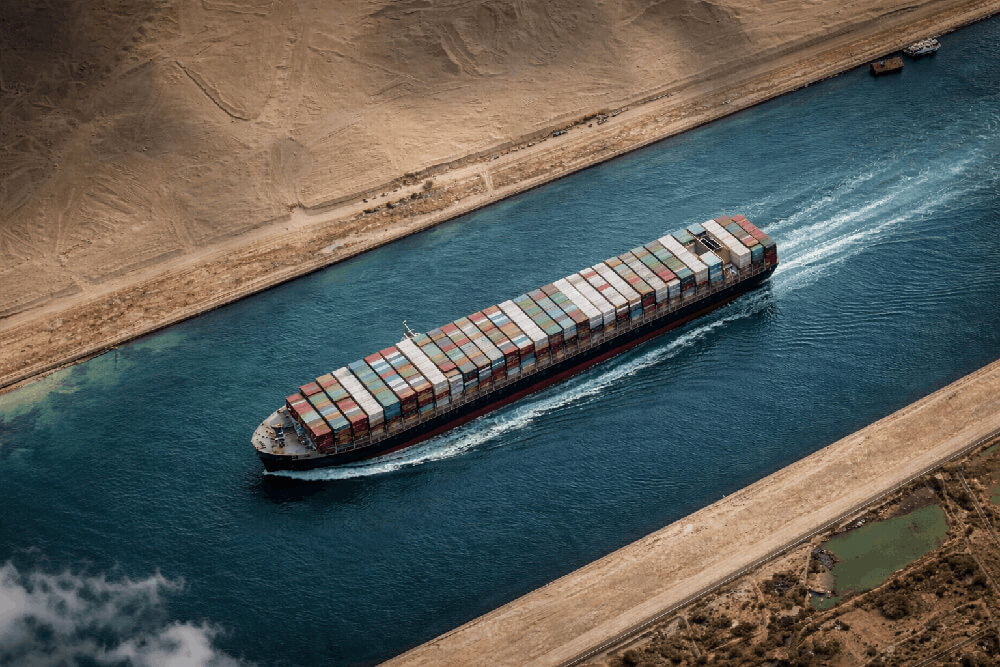
Conventional bunker sales have climbed steadily since 2019, but global demand still hasn’t reached its pre-COVID peak. Even the large-scale rerouting of vessels around the Suez Canal, which increased tonne-mile demand significantly, hasn’t pushed volumes above 2019 levels.
Growth Stalls as Economic Pressures Mount
The IEA projects bunker demand to hover around 5 million b/d through 2030. While alternative fuels may gain traction, demand for traditional fuel oil is set to stagnate.
Global economic uncertainty will continue to weigh on consumption. Trade tensions between the US and major global markets suggest slower trade growth ahead. Combined with a deceleration in global GDP, shipping demand is likely to increase only moderately for the rest of the decade.
Decarbonization Intensifies Focus on Efficiency
Decarbonization will heavily influence future bunker trends. Every dollar spent on regulatory compliance, whether purchasing EUAs, switching to costlier alternative fuels, or paying penalties – will push shipping companies to minimize conventional bunker use.
Although delays to the IMO’s net-zero framework temporarily slow global GHG regulation, the EU ETS and FuelEU Maritime rules continue to drive emissions reduction efforts. In the near term, these shifts will increase demand for biofuel blends.

Regulations Drive Regional Demand Shifts
Stricter emissions rules will reshape bunker demand geographically. EU GHG regulations will encourage some shipping companies to bypass EU ports, while Emission Control Areas (ECAs) incentivize vessels to avoid restricted zones. As these regional dynamics evolve, bunker demand will redistribute accordingly.
Adaptive Strategies Become Essential
Both buyers and suppliers will need flexible, forward-thinking strategies. Dynamic contract structures can reduce exposure to price volatility. Advanced hedging, variable delivery models, and a diversified network of supply hubs will help companies remain competitive as demand patterns shift.
Geopolitical Pressures Shape the Outlook for 2026
Geopolitical uncertainty will remain a defining theme moving into 2026. An uneasy US–China trade truce may hold, but meaningful growth in trade between the two countries appears unlikely. War-related risks in the Black Sea, Middle East, and potentially the Caribbean will stay in focus.
Oil and Tanker Markets Enter a New Phase
In the oil market, increased OPEC+ crude production will likely drive prices downward early in the year. As those effects ease, prices may begin rising again. China’s continued crude stockpiling could also add strength to the market.
The tanker market will benefit from limited fleet growth and stable demand. Offshore oil and gas activity may soften somewhat, yet remain high by historical standards.
Partnering to Navigate Volatility With Confidence
Market volatility doesn’t have to create uncertainty for shipowners and operators. With the right insights, proactive planning, and a trusted partner, you can stay ahead of the market and maintain control over your fuel strategy.
Our bunker fuel experts provide real-time guidance, reliable supply solutions, and deep industry knowledge – turning volatility into opportunity.
Get in touch with us today for simplicity at sea.
Share Now